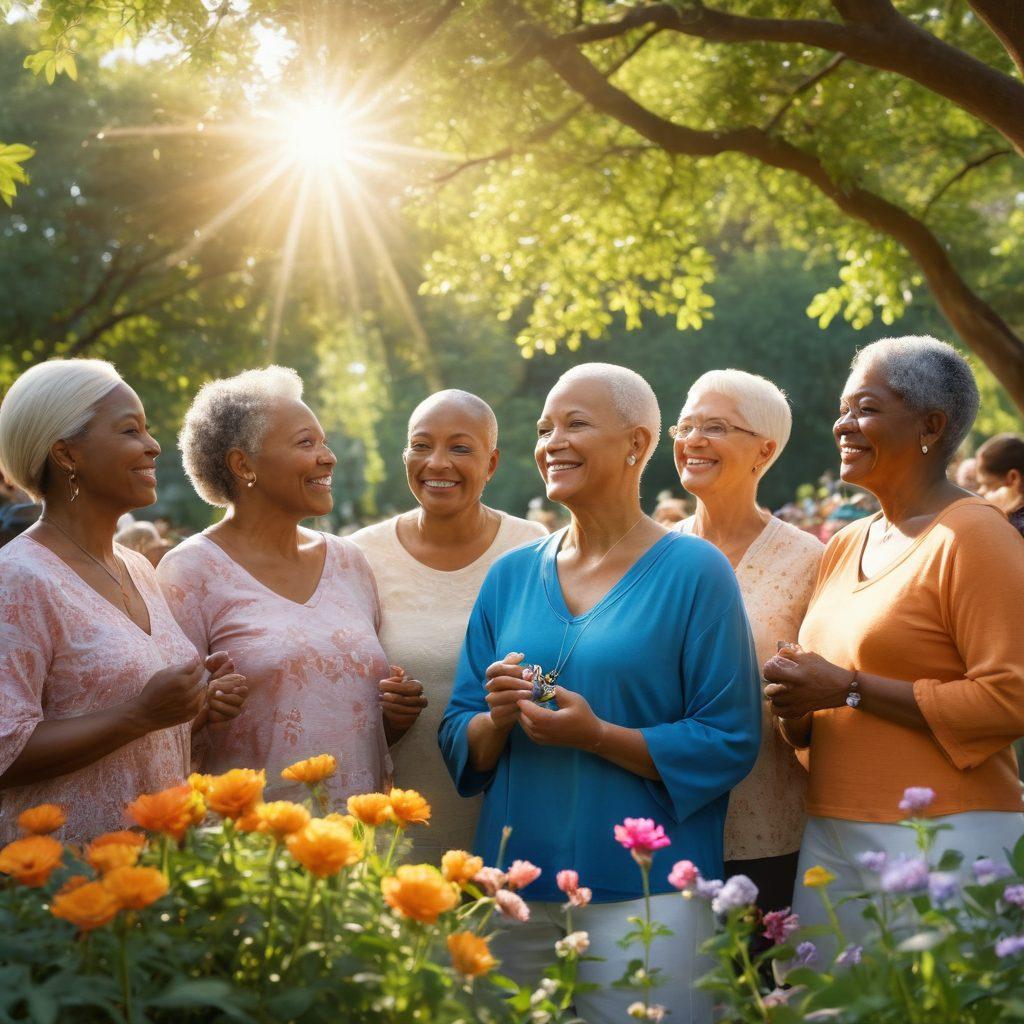
Navigating Cancer: Empowering Patients with Wellness Tips and Survivor Stories
In the face of cancer, every patient embarks on a unique journey marked by challenges, hope, and resilience. As daunting as it may seem, empowering oneself with essential wellness tips can make all the difference. The world of oncology is complex, but it holds invaluable resources that can help you not just survive, but thrive through your cancer treatment. If you or someone you love is navigating the waters of a carcinoma diagnosis, remember: you're not alone. Various survivor stories remind us that there's strength in community, and support is just a conversation away.
So what does it mean to empower your journey? It starts with understanding your health awareness. Educate yourself about your type of malignancy, learn about the recommended screenings, and discuss your diagnosis with medical professionals who prioritize your questions. Always remember, knowledge is power! Recent medical research sheds light on alternative therapies and preventive measures that can complement traditional cancer treatments. As you explore your options, ask yourself: How can I take charge of my health today?
Nutrition plays a pivotal role when it comes to living with cancer. It's not merely about what you should eat, but about nurturing your entire being. Think of nutrition for cancer patients as a potent form of medicine, one that can boost your energy and enhance your overall well-being during ongoing treatment. Ensuring you're on a well-balanced diet rich in whole foods can help in managing side effects and improving outcomes. As you embark on this path, consider reaching out for caregiver resources or attending a community support group to share recipes and tips that have worked for others.
Alongside physical health, emotional support is crucial. Cancer can stir a whirlwind of feelings—fear, anger, frustration, and even moments of joy. Don't underestimate the power of connection; whether it's chatting with a fellow cancer survivor, joining a support group, or leaning on your loved ones, there’s comfort in shared experiences. After all, as one survivor aptly put it, "You may feel like you're fighting this battle alone, but the truth is, thousands stand beside you in spirit." How can you foster these connections to uplift your spirits?
Finally, consider exploring clinical trials. Not only do they represent the forefront of cancer education and treatment options, but they also empower you to play an active role in your healing journey. Engaging in a trial can offer access to cutting-edge therapies and contribute to ongoing medical research for future patients. As you navigate this intricate web of healthcare, remember that advocating for your own needs and desires during treatment is a brave step toward reclaiming your health journey. What steps will you take to advocate for yourself today?
Inspiring Survivor Stories: Triumphs and Lessons from the Cancer Battle
Every year, millions of individuals find themselves ensnared in the formidable web of cancer. It's a landscape filled with uncertainty where a diagnosis of carcinoma can feel like a battle against an unseen enemy. Yet amid the fear and struggle, there are shimmering stories of triumph. The stories of survivors who have fought the battle against malignancy not only inspire hope but also educate others on the wellness tips that can enhance their journey. What does it mean to be a survivor? How does one navigate through the labyrinth of oncology, treatments, and emotional upheaval? Let's take a closer look at these phenomenal survivor stories and the invaluable lessons they impart to those currently in the fray.
Reflecting on individual experiences can be extraordinarily empowering. One such story is that of Sarah, a vibrant woman in her late thirties who was diagnosed with breast cancer after noticing peculiar signs of cancer—unusual lumps during routine self-examinations. With the support of her family and caregiver resources, she dove into advocating for her own health. She began using her journey as a platform for health awareness, sharing her insights on nutrition for cancer and the importance of community support. Sarah’s mantra, "Hope is the best medicine," resonated with so many who followed her journey, emphasizing the essential role that emotional support plays during treatment.
On the other side of the spectrum, we have Robert, a retired school teacher whose fighting spirit was ignited when he faced lung cancer. He became deeply involved in medical research, seeking out clinical trials that offered promising treatment options. His approach to coping included applying preventive measures through a lifestyle change—he invested time in physical activities and looked for alternative therapies to complement his cancer treatment. Robert's story exemplifies how knowledge is power, inspiring others to take control of their health outcomes through proactive healthcare decisions.
While each survivor's journey may differ, the common thread among them is resilience. Many have turned their trauma into advocacy. They have become beacons of light, offering cancer education to empower others grappling with their diagnosis. The struggles these survivors faced sparked a passion for dedicating their lives to candid conversations about cancer, ensuring that those navigating their own journeys have access to the right information and support. Imagine being a part of a community that not only fosters connection but also serves as a warehouse of powerful survivor stories and strategies for living with cancer—how transformative that could be!
If you or someone you know is tackling the daunting shadows of cancer, remember that you’re not alone. Many organizations are dedicated to providing resources for ongoing treatment and emotional support. They stand ready to offer patient care that spans beyond traditional oncology, helping you understand your prognosis and implement wellness tips into your daily life. The key lies in choosing to draw strength from those who have traversed this path before you. Each survivor story holds a lesson—many of which are not just about battling the disease but about thriving despite it. Engage, educate, and empower yourself or your loved ones, and remember, your story is still being written.
Navigating the Healthcare Maze: Supportive Resources for Patients and Caregivers
Navigating the healthcare maze can feel like a daunting journey, especially when the words ‘cancer’ and ‘malignancy’ are thrown into the mix. Whether you are a patient facing a carcinoma diagnosis or a caregiver supporting a loved one through their oncological challenges, the labyrinth of treatment options, medical jargon, and emotional strain can often be overwhelming. But remember, you are not alone. Many supportive resources exist to guide you – from wellness tips tailored for maintaining a healthy lifestyle to survivor stories that illuminate the path from diagnosis to recovery. Ultimately, the journey through cancer becomes less lonely when we connect with community support and resources designed particularly for those affected by this illness.
Finding meaningful patient support is crucial, especially in understanding the nuances of cancer treatment. As you embark on this journey, consider seeking out local cancer education initiatives, support groups, and online forums where you can share your thoughts and experiences. There's a powerful quote that reads, "No one can do it alone." This sentiment holds particularly true in the cancer community, where the stories of others who have walked a similar path can provide invaluable emotional support. Instead of viewing the healthcare system as an intimidating maze, think of it as an interconnected web of resources and individuals who can contribute positively to your wellness journey.
Nutrition for cancer plays an integral role in both treatment and recovery. Research has shown that a balanced diet can aid in strengthening the immune system and improving quality of life. Consider leaning into holistic health approaches, including alternative therapies like yoga or acupuncture, which many survivors rave about. Have you thought about how regular physical activity and mindful living can elevate your emotional well-being? Implementing these wellness tips into your routine can create a supportive environment for healing and resilience, transforming what seems like a burden into a source of strength.
Clinical trials and medical research are other vital facets of navigating the healthcare maze. While it may seem intimidating to consider, participating in clinical trials could provide viable options for innovative cancer treatment. It's essential to talk with your healthcare team about your prognosis, potential preventive measures, and follow-up care. What are the signs of cancer that you may have overlooked? Having informed conversations with your doctors can empower you to advocate not just for your health but also for those of fellow patients and caregivers juggling similar challenges.
Lastly, remember that ongoing treatment isn’t just about managing symptoms; it’s about embracing life after diagnosis. Living with cancer can offer profound life lessons, as many survivor stories convey. By sharing your experiences and insights, you can provide invaluable resources to others navigating the difficult waters of contaminated healthcare. Instead of perceiving cancer as a primarily negative aspect of life, consider how it can foster growth, resilience, and an unwavering commitment to patient care and cancer advocacy. The ripple effect of sharing your story might be just what someone else needs to hear to begin their own journey of healing and hope.